Marine Maintenance and More
Anti-Fouling Paint Removal
Maintain your vessel’s performance and longevity with professional dustless sandblasting for anti-fouling paint removal. Over time, anti-fouling coatings can degrade, peel, or become uneven, reducing efficiency and increasing drag. Sandblasting removes old coatings cleanly and thoroughly from fiberglass, aluminum, steel, and wooden hulls, preparing the surface for a fresh, high-performance layer. Compared to chemical strippers or hand sanding, sandblasting is faster, safer, and ensures a smooth finish, helping to optimize fuel efficiency and protect your boat from corrosion.
Bottom Paint Removal
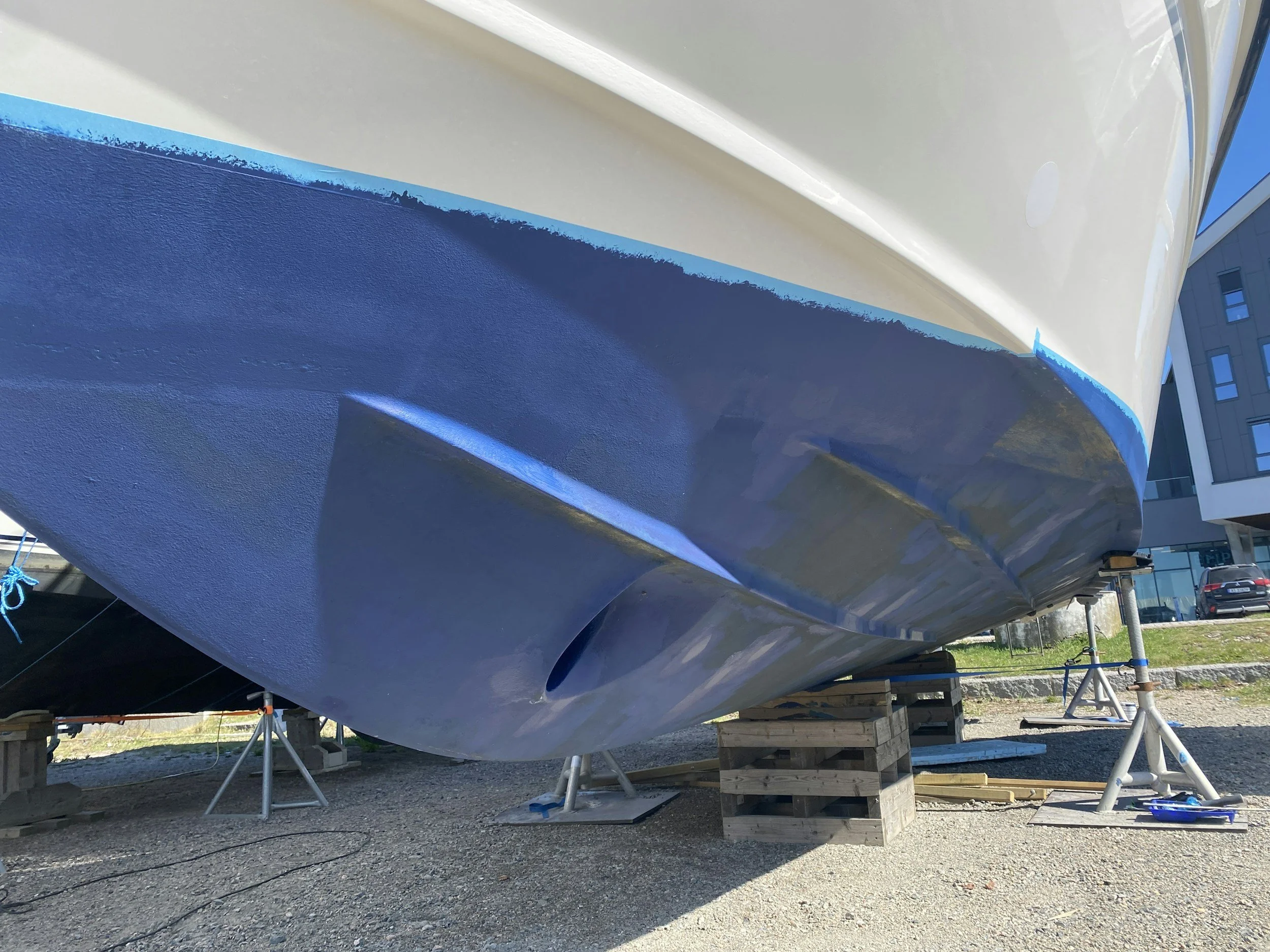
Dustless sandblasting is the ideal solution for removing bottom paint from boats, yachts, sailboats, and other marine vessels. Our process removes layers of old paint, antifouling coatings, and marine residue evenly and effectively, without damaging the hull or underlying material. Bottom paint removal improves surface adhesion for new coatings, reduces marine growth, and enhances your vessel’s speed and performance on the water. This service is perfect for fiberglass, aluminum, steel, and wood hulls, ensuring a clean, smooth finish ready for a professional repaint.
Epoxy Removal
Epoxy coatings, gel coats, and resins are commonly used on marine vessels for durability and protection, but they can degrade or need replacement over time. Dustless sandblasting safely removes epoxy, gel coat, and resin layers from fiberglass, aluminum, and wooden surfaces, preparing your vessel for repair, refinishing, or repainting. Unlike chemical stripping or aggressive sanding, sandblasting ensures uniform removal while preserving structural integrity and the original surface texture.
Barnacle and Marine Growth Removal
Barnacles, algae, and other marine growth can accumulate quickly on boats, docks, and other watercraft, causing drag, corrosion, and damage over time. Dustless sandblasting efficiently removes barnacles, algae, barnacle residue, and biofilm from fiberglass, aluminum, steel, and wooden hulls, restoring a smooth, clean surface. Regular removal improves vessel performance, reduces fuel consumption, and protects your investment from long-term damage caused by marine growth.